
resources
CiD has developed a collection of open-access resources, including books, training materials and methods. These resources bring together knowledge and experiences from CiD programmes and make them available to researchers, trainers, and learners.
CiD Collection of Booklets and Reports
-
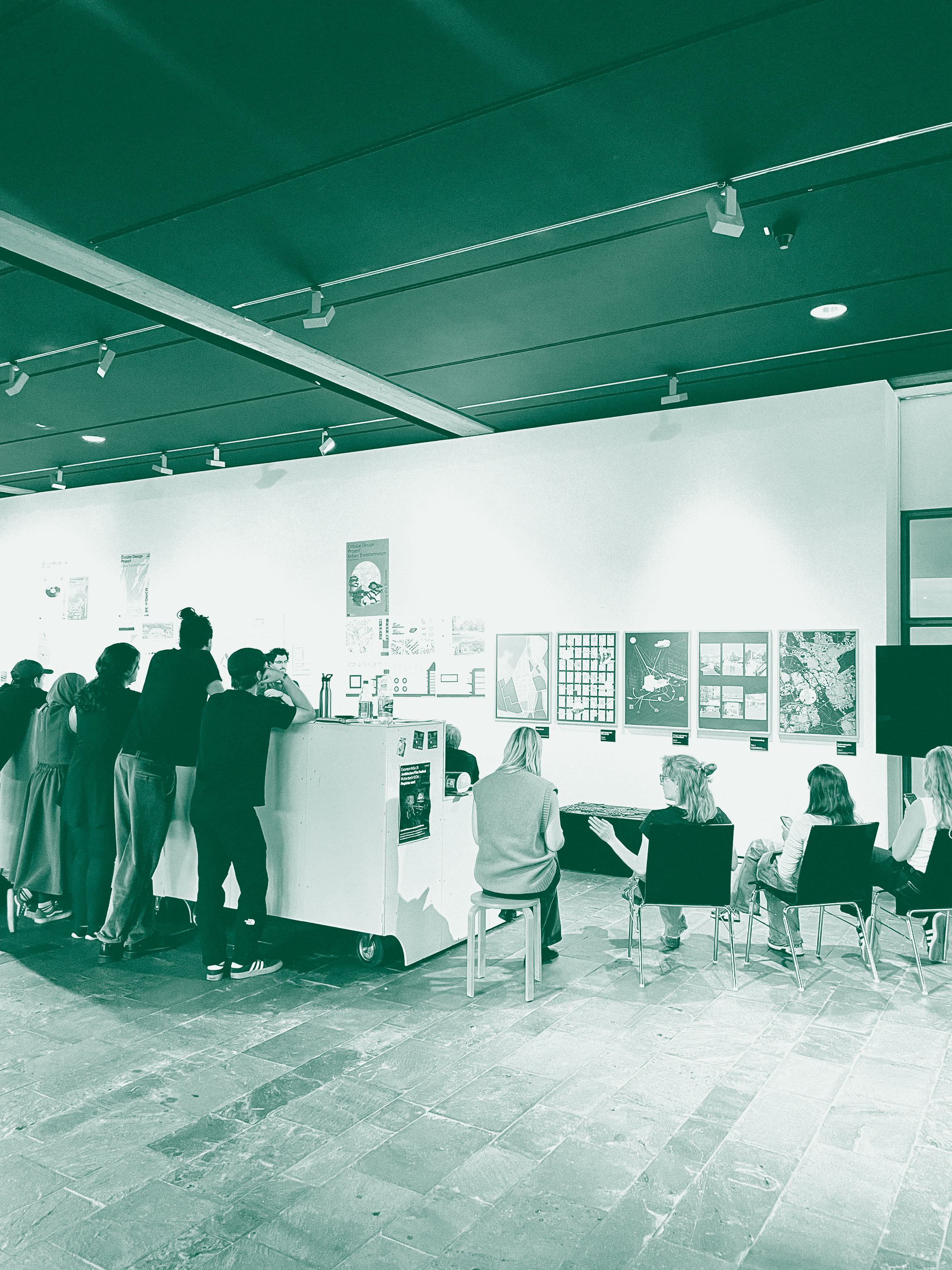
CiD develops 3 innovative education programmes with 10 courses: (1) three academic courses, (2) an accelerator course, and (3) six continuous education courses. They are bound together through the transversal dimensions of circular economy, urban transformation, and bio-based innovation with further interdisciplinary linkages. All partners of the Alliance and further experts (SME, organisations) from the Observatories are involved in the development and implementation of the programms.
-
-
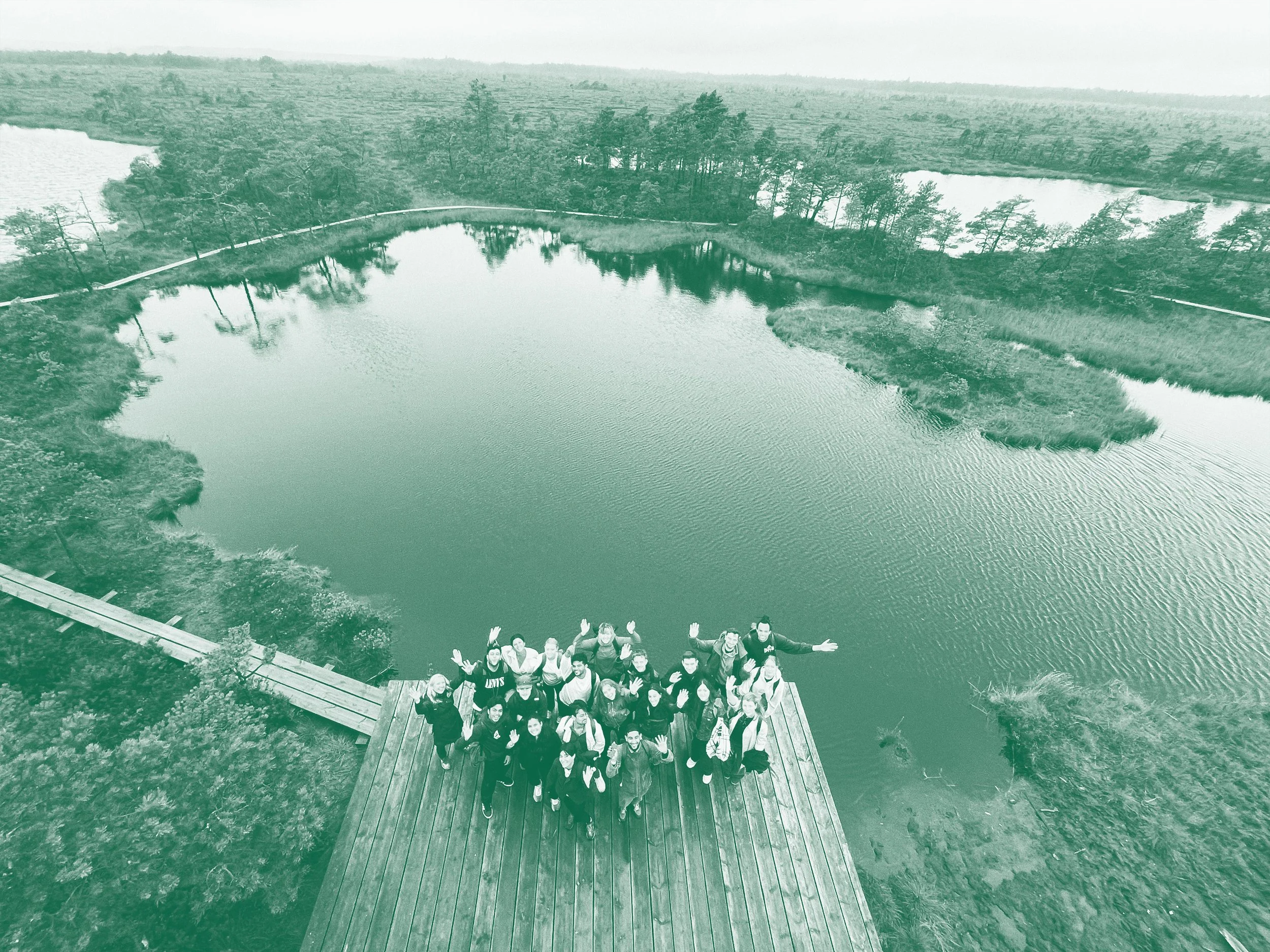
The 3-week Accelerator Programme is a comprehensive programme designed to equip university students with the knowledge, skills, and resources needed to launch and scale sustainable businesses. Participants will engage in interactive trainings and workshops, hands-on exercises, and mentorship sessions.
The Accelerator Programme, organised by Tallinn Creative Incubator, aims at equipping university students with the knowledge, skills, and resources needed to launch and scale sustainable businesses
-
-
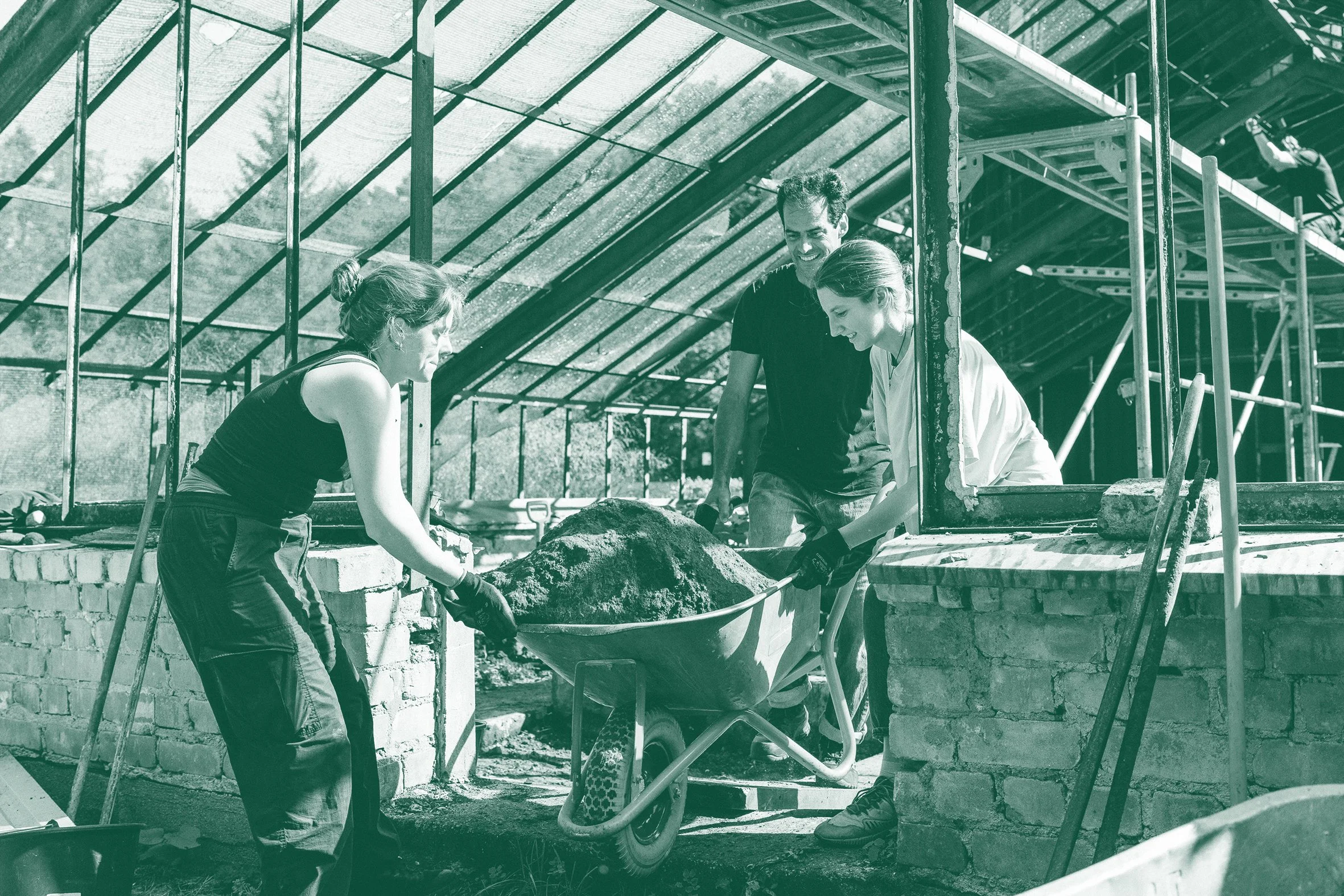
The Continuous Education Programme (CEP) focuses on lifelong learning and staying up-to-date with advancements and changes in the field of Circular design. Another important part of the course is the integration of three innovative dimensions of Circular Economy, Urban Transformation and Bio-Based Innovation.
-

-
CiD develops 3 innovative education programmes with 10 courses: (1) three academic courses, (2) an accelerator course, and (3) six continuous education courses. They are bound together through the transversal dimensions of circular economy, urban transformation, and bio-based innovation with further interdisciplinary linkages. All partners of the Alliance and further experts (SME, organisations) from the Observatories are involved in the development and implementation of the programms.
-
-
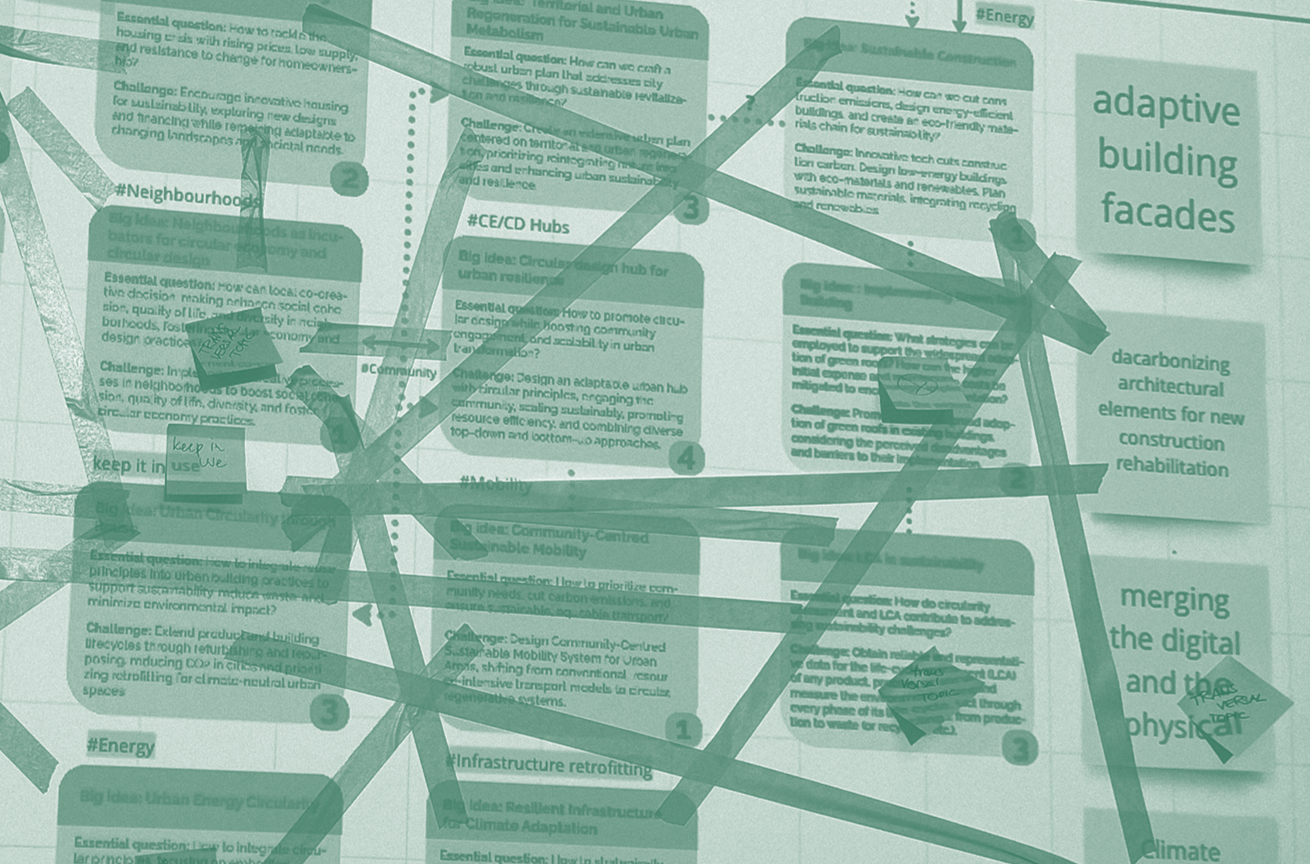
Have a look at all 3 reports about the knowledge exchange during the first year of CiD. We discussed our outputs/milestones, our learning and teaching methodology, the CiD curriculum such as our academic, accelerator and further education program and much more.
-
-
Within the framework of the Continuous Education Programme (CEP), a certification and validation process was established during the second and third years of project implementation (2025–2026) to ensure that all “learning outcomes” acquired by participants through the six courses were formally recognized and aligned with established quality standards. The process focused on validating the four skill sets targeted by the six training courses and certifying the achievement of key competencies.
This validation process was supported by six Memorandum of Understanding (MoU), which formalized cooperation among PPs and Observatory members, ensuring mutual recognition of certification and validation procedures and criteria across all participating countries.
-
CiD Videos
-
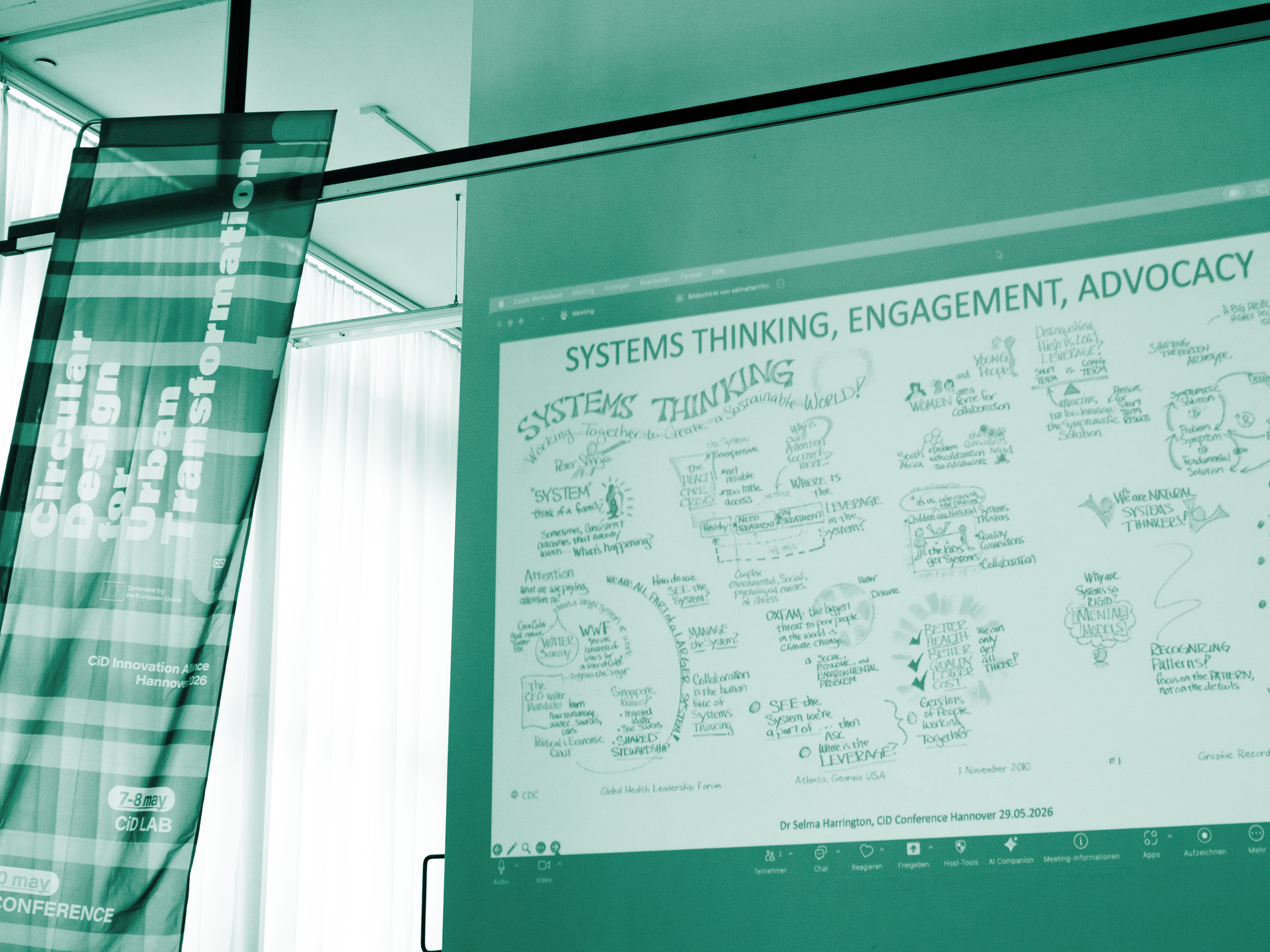
To extend the impact of the conference series beyond the live events, a short documentary video was produced for each of the six CiD conferences. These videos capture the atmosphere, key moments, presentations, discussions, and highlights of each event, providing an accessible overview of the conference programme and its main outcomes.
-
In addition to the short conference documentaries, the Venice and Vilnius conferences were professionally recorded in full. The complete recordings are available via the links below.
-
Here you will find a series of short documentaries about our CiD conferences.
Flipped Classroom Materials
-
Session 1 by LUH, Architectures Fondas, ersilia Foundation, ACE-CAE with support by Andreu Ulied
Chapter 1 Overview: How to bring circularity into city-making? // Chapter 2 Recycling the city // Chapter 3 Territorial and material flows // Chapter 4 Process design // Chapter 5 Tools // Bonus Track Interview with Andreu Ulied.
-
-
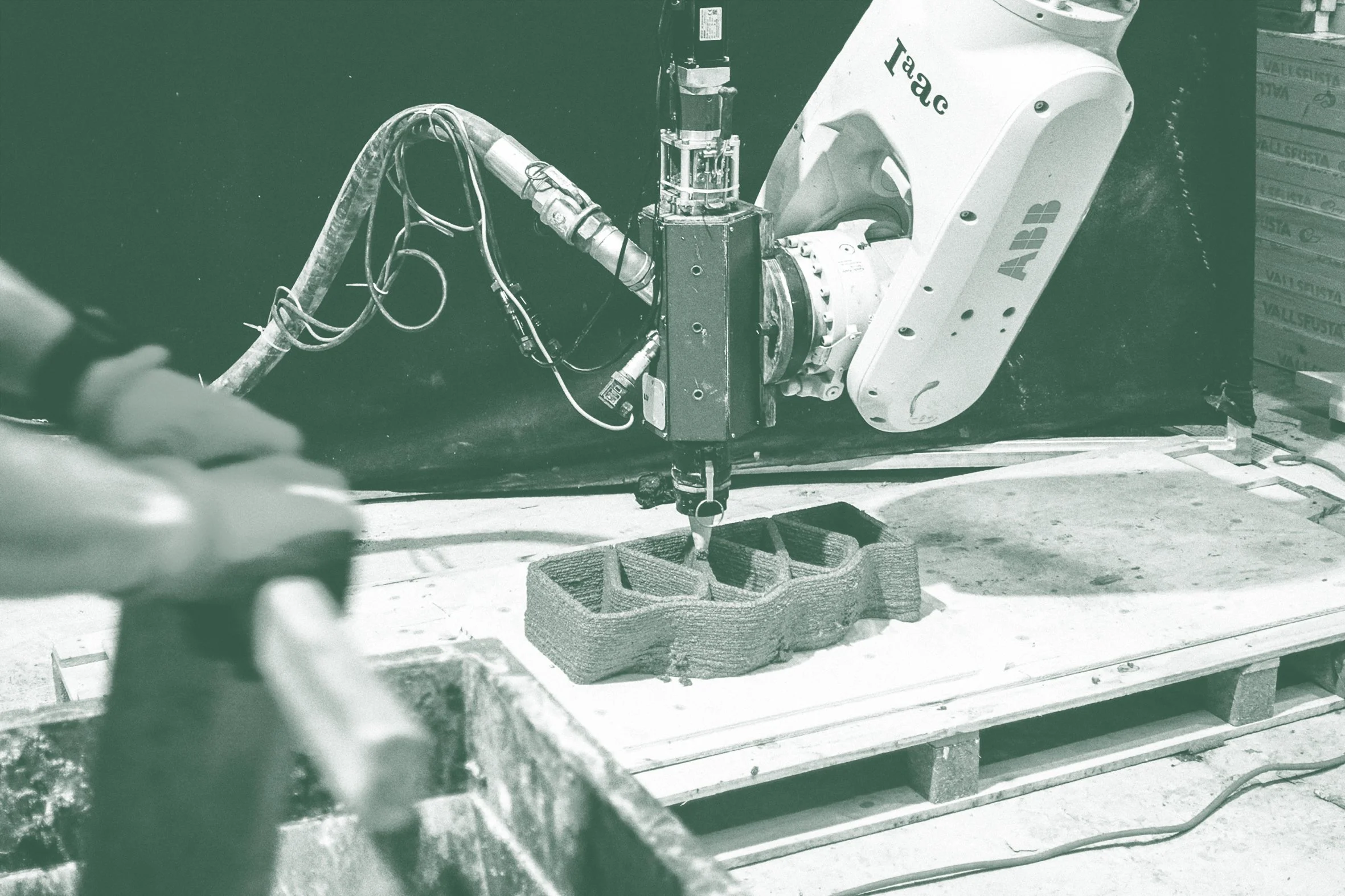
Session 1 by IAAC and Materiom
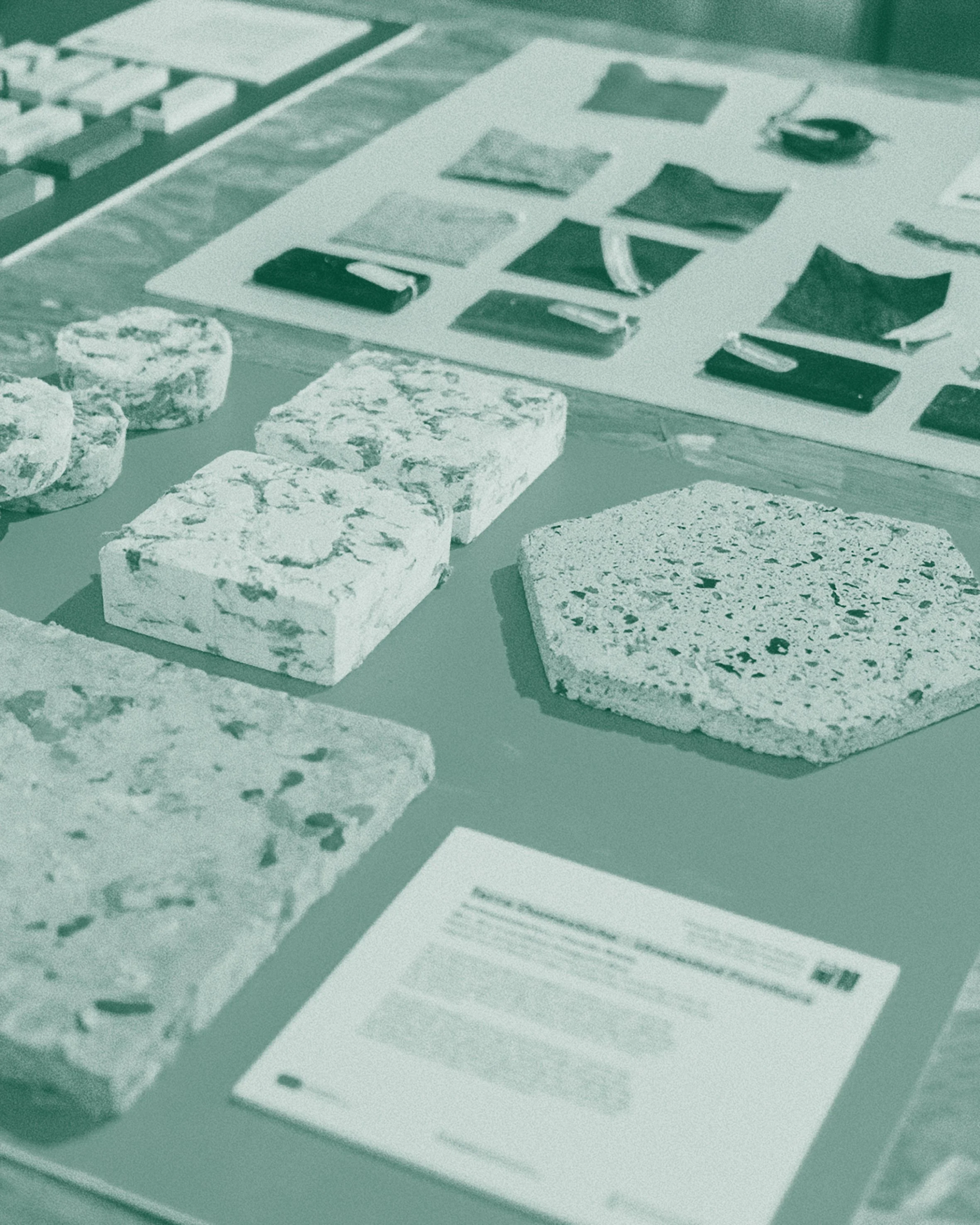
Chapter 1 introduces the topic of bio-based innovation as well as the challenges and opportunties in the field. // Chapter 2 elaborates the content to feedstock sourcing and material development. // Chapter 3 focuses on fabrication and novel methodologies. // Chapter 4 provides a summary of the case study Urban Cascade
-
-
Session 1 by UNIGE_DAD and TEI
Chapter 1, Understand: what is circular economy? // Chapter 2, Define, 1: how service design can help towards carbon neutral cities, 2: how rethinking supply chains can help towards carbon neutral cities // Chapter 3, Release: 1. how to engage communities, 2. how to use tools for circularity, storytelling and value dissemination.
-
-
The purpose of this guidebook is to provide trainers with innovative methodologies to enhance the teaching and learning experience, facilitate the design and implementation of cross border academic activities, offer practical tips on the class structure and organization, and enable a feedback loop system through evaluation to improve the learning experience. This document accompanies the resources developed as part of the CiD Project.
-

CiD Publications
Across different CiD programmes and constellations, the CiD team shared knowledge, supported each other, and worked together on a range of publications. These joint publications bring together different perspectives, experiences, and results, documenting the collaborative work and making it accessible to a wider audience.
some highlights
-
by Federica Delprino, Silvia Pericu, and Chiara Olivastri (all UNIGE), at the international conference What's Around Design, Portugal, 2024. https://doi.org/10.1007/978-3-032-08163-6_20
-
by Jörg Schröder (LUH), Marite Guevara (ERSILIA), Alissa Diesch (LUH), Anna Pape (LUH, and Fiona Demeur (IAAC), EDULEARN25 Conference, 2025. https://doi.org/10.21125/edulearn.2025.2415
-
by Jörg Schröder, Riccarda Cappeller, Anna Pape (all LUH), Alissa Diesch, Martynas Germanavicius (ARCHFOND), Dimensions Journal of Architectural Knowledge, issue 12/26 (to be published in September 2026 with DOI).
-
by Jörg Schröder, Anna Pape, Jackie Williams, and Riccarda Cappeller (all LUH), in Dimensions Journal of Architectural Knowledge, 12/26 (accepted, to be published in September 2026 with DOI)
-
by Jörg Schröder (LUH), Alissa Diesch, and Anna Pape (LUH) , in a Scopus ranked journal (under review)
-
edited by Jörg Schröder, Anna Pape, Jackie Williams and Riccarda Cappeller, 2026, (to be published with DOI and ISBN). Published in the Open Repository of the Library TIB with overall 8 mio annual digital accesses.
-
edited by Jörg Schröder and Rebekka Wandt, 2026, (to be published with DOI and ISBN). Published in the Open Repository of the Library TIB with overall 8 mio annual digital accesses
-
Proceedings of the CiD Conference in Hannover 2026, edited by Anna Pape, Federica Scaffidi, and Jörg Schörder, 2026, (to be published with DOI and ISBN). Published in the Open Repository of the Library TIB with overall 8 mio annual digital accesses
-
Proceedings of the CiD Conference in Barcelona 2025, the Responsive Cities series, edited by Areti Markopoulou and Fiona Demeur (both IAAC), 2025, ISBN-978-84-120885-9-5, https://responsivecities.iaac.net/team-members/design-matters-for-decarbonization/
-
edited by Federica Delprino and Silvia Pericu (both UNIGE), 2026, ISBN 978-3-946296-55-3, https://doi.org/10.15488/22002. Published in the Open Repository of the Library TIB with overall 8 mio annual digital accesses