
educational programme
CiD develops 3 innovative education programmes with 10 courses: (1) three academic courses, (2) an accelerator course, and (3) six continuous education courses. They are bound together through the transversal dimensions of circular economy, urban transformation, and bio-based innovation with further interdisciplinary linkages. All partners of the Alliance and further experts (SME, organisations) from the Observatories are involved in the development and implementation of the programms.
-
CiD highlights the role of entrepreneurship for circular economy and focuses on business innovation for SME in urban design, architecture, and product/service design – with the backdrop to understand innovation in technologies and products linked to service innovation. CiD extends towards aspects of social entrepreneurship, entrepreneurship in research, and entrepreneurial approaches in public administration, with high relevance for the professional practice of urban planners, architects and product/service designers.
-
Parallel to innovation in contents, derived from CiD research, the Alliance develops innovative teaching and learning methodologies: flip teaching, challenge-based, project-based and situated learning, learning-by-doing, model-thinking, peer-learning, sessions with experts from the Observatories, provision of entrepreneurial and digital skills. A CiD specific career guidance for students and learners is organised by ARCES Association.
Setting up a Cross-border Academic Programme
Setting up a cross-border academic programme, each with their own unique academic schedule poses challenges, but also opportunities. For this reason, each academic institution has organised their studio according to their needs individually to satisfy academic requirements, as well as moments of interaction between the learners, project partners and observatory members. The academic programme includes:
The Flipped Classroom (further elaborated below);
In-person workshop and symposium where all the students meet;
Review sessions with observatory members;
Peer review sessions;
Mentoring sessions on building your CV;
Final pitch competition.
Defining clear moments of interaction is important in order to facilitate cross-border teaching.It is important to stay flexible and transparent with the learners to ensure for online/hybrid sessions to be conducted smoothly.
-
The flipped classroom (more information and download via resources) is one of the key components of the academic programme and helps to create a knowledge exchange between trainers and learners. The flipped classroom was used to transfer knowledge on three key transversal topics: Urban Transformation, Bio-based Innovation and Circular Economy.
The materials shared with the learners in preparation for class are a video and accompanying booklet. The video content incorporates key concepts and covers case studies, offering a dynamic and visually engaging learning experience. The booklet expands on these examples, providing additional information, examples, links and a glossary to clarify the key areas mentioned in the video, as well as essential terms for understanding the subject matter.
These resources serve as a foundation for the concepts that will be explored further during in-class activities. While the materials are comprehensive in terms of topic coverage, they are intentionally designed to be concise to ensure accessibility and focus. It is important to emphasise that these materials are not a substitute for the lectures or discussions that take place during class. Instead, they are meant to be complementary tools intended to spark curiosity, facilitate understanding and encourage active participation.
Flipped Classroom Structure
All three flipped classrooms followed a transversal structure:
Pre-Class Preparation: Learners review the prepared flip classroom materials in advance, a video and an accompanying booklet from different institutions.
In-Class Activities: Each institution prepared a specific activity to be done in class in order to engage learners actively with the content. These activities were tailored to cover the topics mentioned in the supplementary materials and varied depending on the institution’s teaching objectives, subject focus, and learner profiles.
Post-Class: Following the in-class activities, learners were encouraged to reflect on what they had learned and evaluate the flipped classroom activity, its structure and the content that was provided.
-
The purpose of this guidebook (more information and download via resources) is to provide trainers with innovative methodologies to enhance the teaching and learning experience, facilitate the design and implementation of cross border academic activities, offer practical tips on the class structure and organisation, and enable a feedback loop system through evaluation to improve the learning experience.
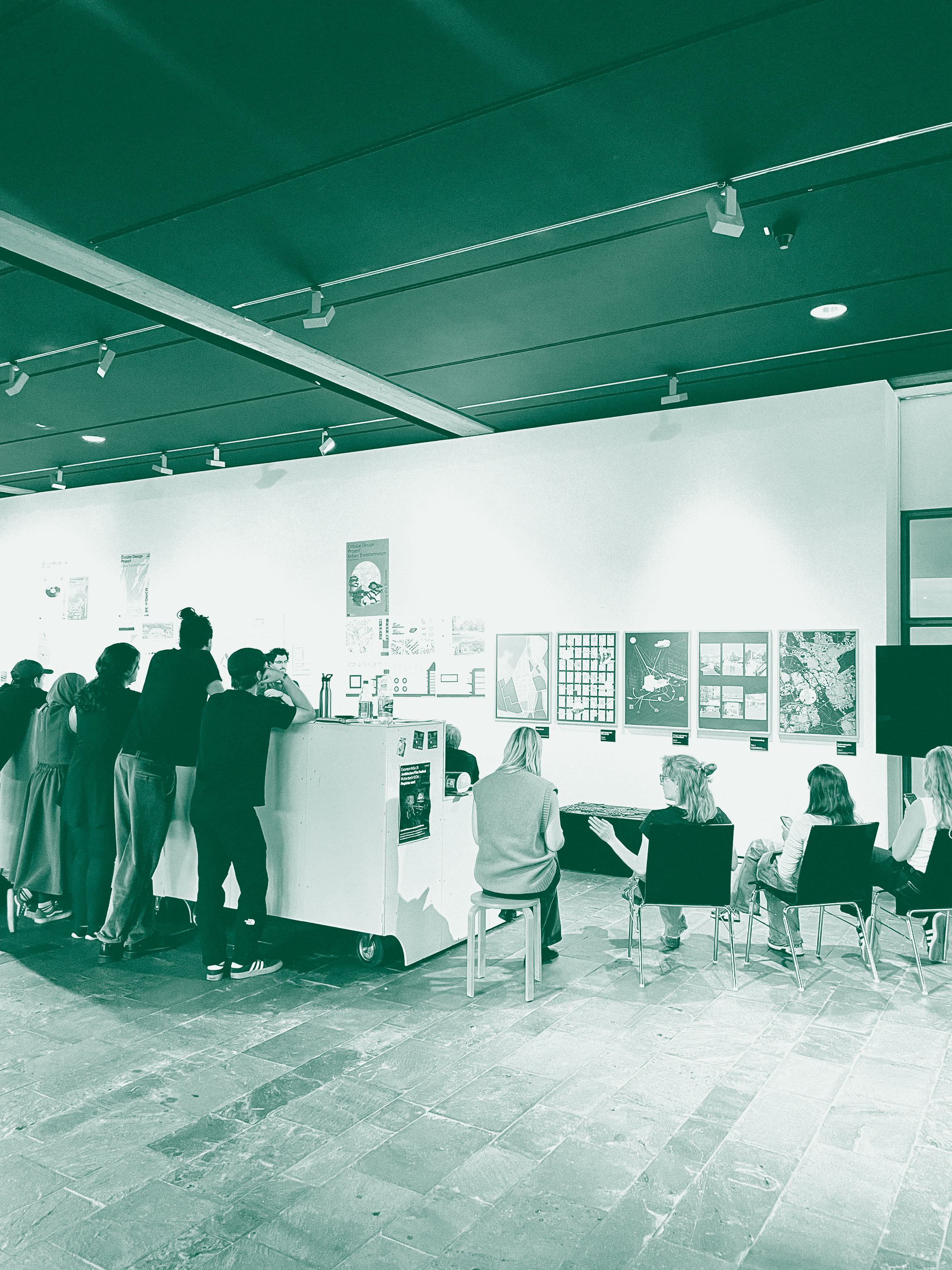
The Academic Programme aims at giving students the skills and knowledge to develop interdisciplinary design and research projects and to develop climate-conscious, circular entrepreneurial perspectives in the fields of urban design, architecture and product/service design.
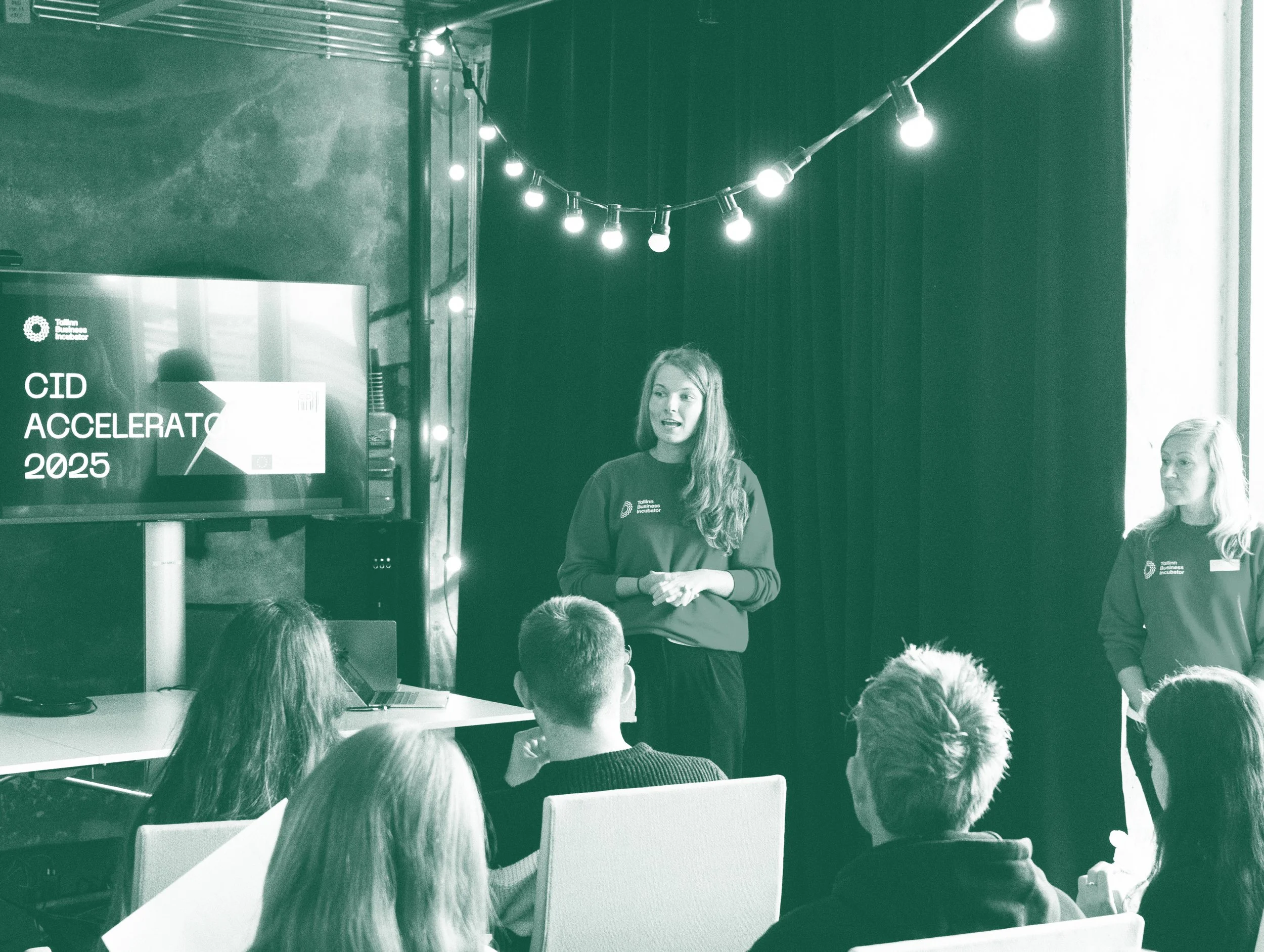
The Accelerator Programme, organised by Tallinn Creative Incubator, aims at equipping university students with the knowledge, skills, and resources needed to launch and scale sustainable businesses.
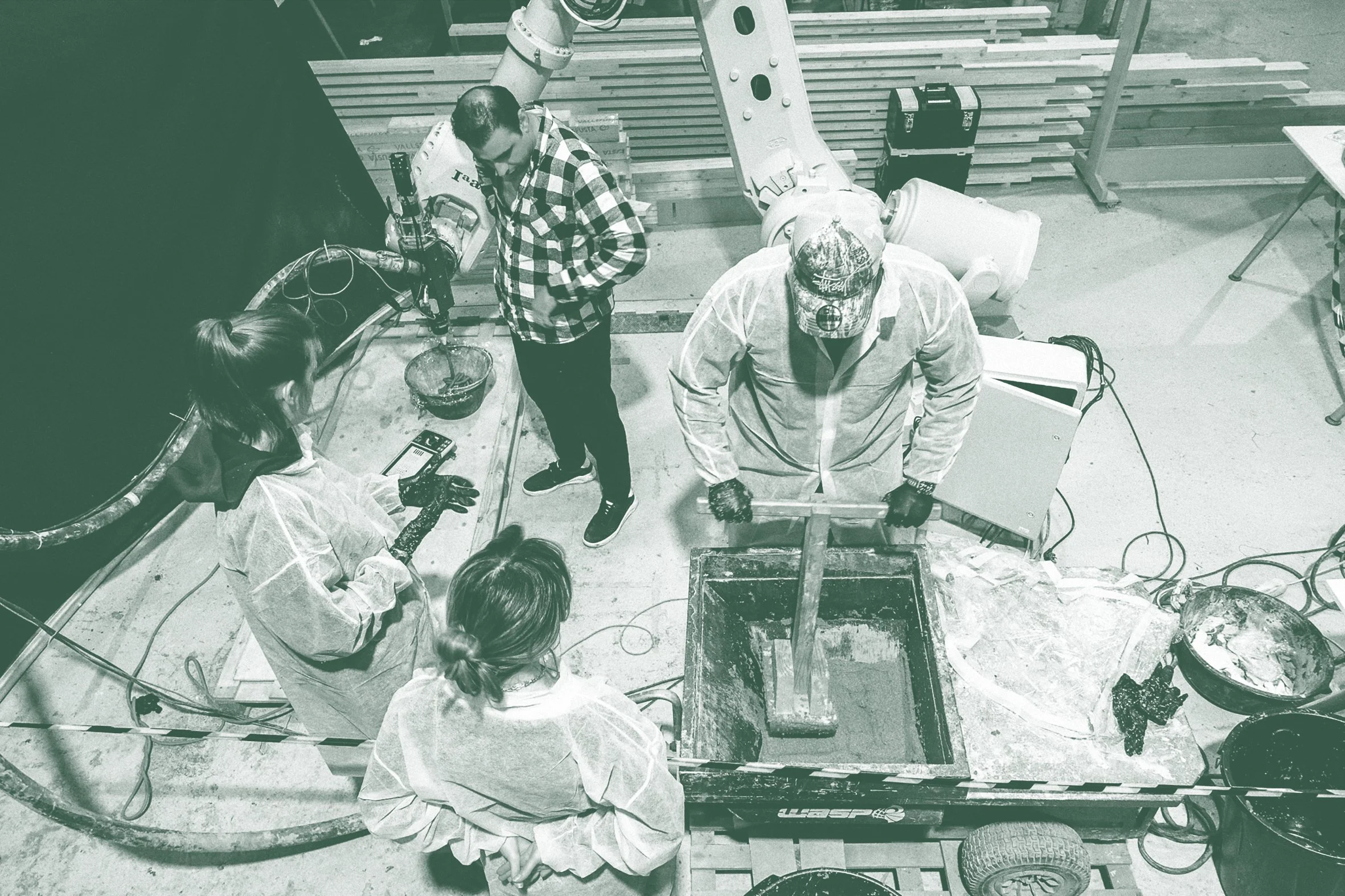
The Continuous Education Programme focuses on lifelong-learning and staying up-to-date with advancements and changes in the field of Circular Design.

career guidance
organised by Collegio Universitario di Merito ARCES