
accelerator programme
The Accelerator Programme aims at giving students the skills and knowledge to develop interdisciplinary design and research projects and to develop climate-conscious, circular entrepreneurial perspectives in the fields of urban design, architecture and product/service design.
It was designed to empower learners to transform research and design concepts into viable business initiatives, fostering a culture of innovation and entrepreneurship. By providing a practical environment for developing solutions in the circular economy, bio-based innovation, and urban transformation, the programme addressed critical labor-market skills gaps and strengthened Europe’s long-term innovation capacity. Upon completion of the CiD Academic Programme, participants transitioned through three interconnected phases designed to transform conceptual research into tangible solutions for real-world challenges.
-
The process began with a pitch competition where student teams presented their ideas. To ensure fairness, all projects were evaluated against a clear set of rules and project goals. This allowed the jury to identify and select the most innovative teams to move forward to the accelerator.
-
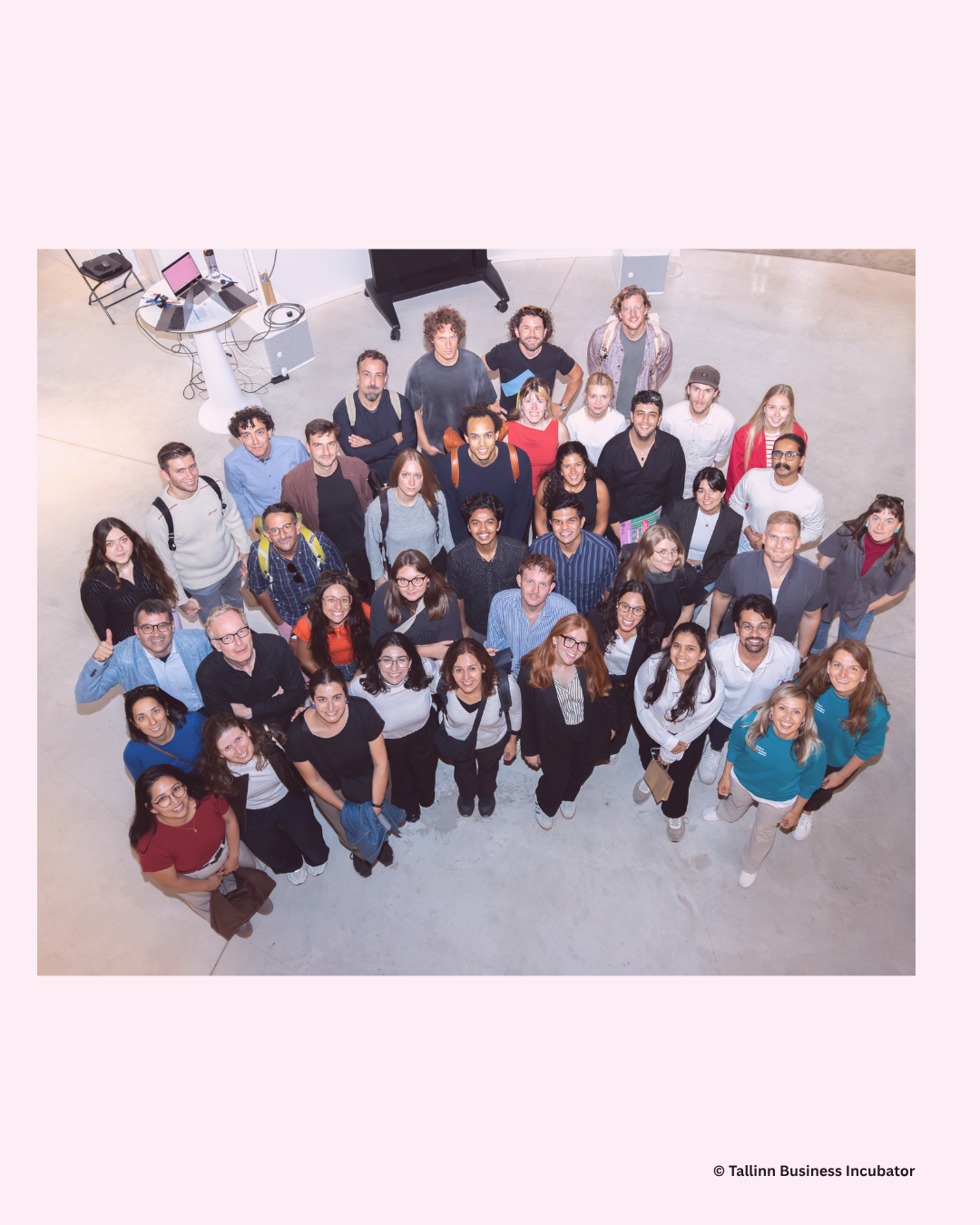
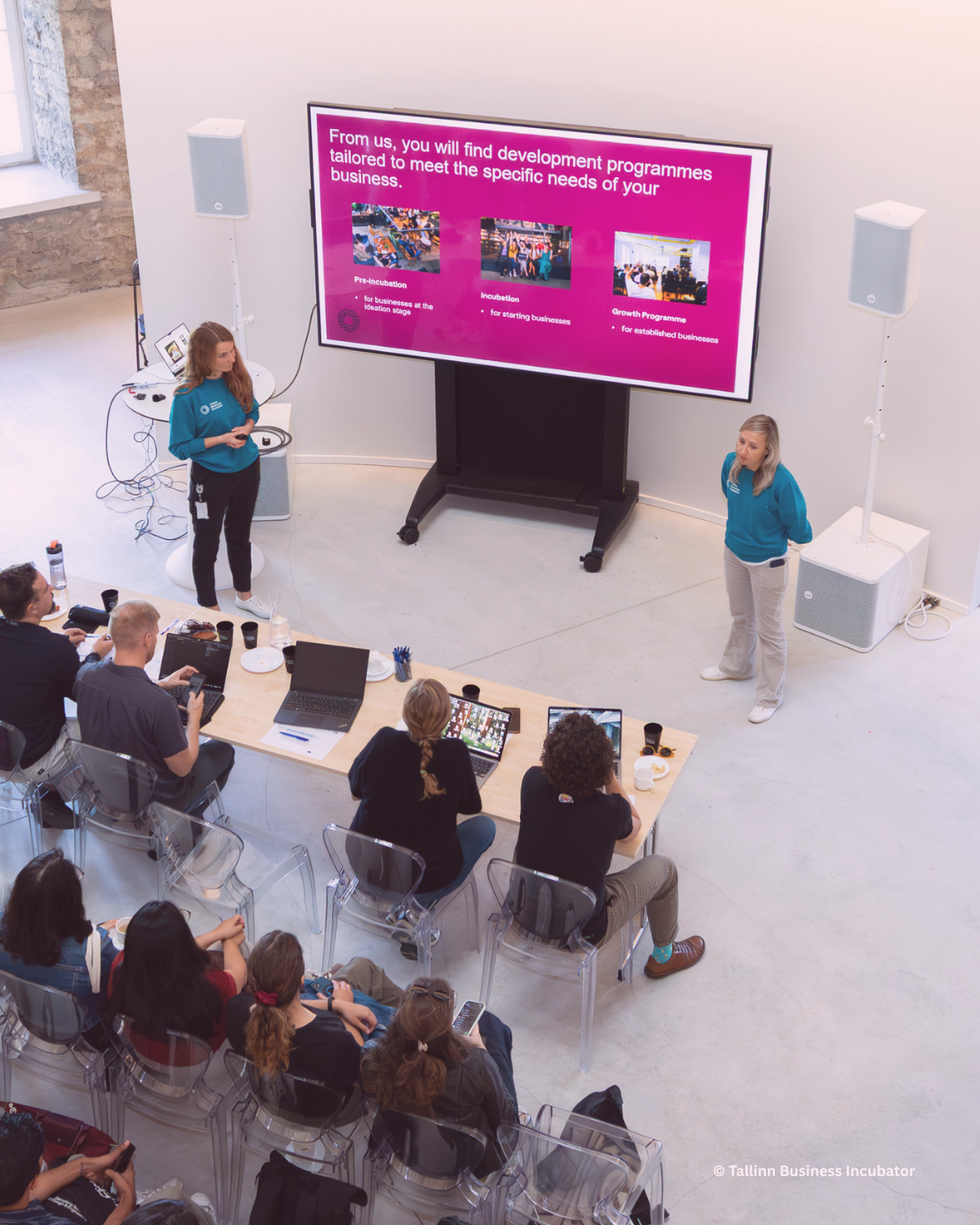
The selected teams took part of a three-week, in-person accelerator programme in Tallinn. During this time, students received hands-on trainings and expert mentoring sessions to turn their ideas into businesses.
-
The programme ended with a 6 month long support phase to help the teams to move forward independently. Participants received ongoing guidance and consultations to ensure they could apply what they learned and successfully manage their startups.

7 projects from Hannover (LUH), Barcelona (IAAC) and Genova (UNIGE) won the competition and took part in the CiD Accelerator.
Overview of the projects:
-
Team members: Adéla Černá, Mimke Rhoden
Add Wood focuses on enhancing the riverbanks in Hanover, Germany, through creative design and functional installations. Six specific locations along the river were selected for development during a ten- day intensive building phase. This program provides participants with hands-on experience in tool use, construction, and public space engagement, and fostering skills that can be shared within the community.
-
Team members: Nico Krause, Jennifer Kazimierowski
BOBO – The Borrow Box is a mobile rental service designed to provide urban residents with convenient access to tools, gardening equipment, and household devices. By utilizing a trailer that rotates through various city locations, the service offers a practical and sustainable alternative to owning expensive, space-consuming equipment. Items can be reserved online and are accessible through a membership model or for a small fee, ensuring the service remains affordable and inclusive for all users. The initiative specifically targets urban renters, DIY enthusiasts, and eco-conscious citizens aiming to reduce waste through smarter, shared consumption.
-
Team members: Emeka Eze, Helena Heuer
RE-POWER is an architectural initiative that focuses on the transformation of abandoned fossil fuel power plants into sustainable heritage sites. By raising awareness and providing expert guidance to former operators, local authorities, and investors, the team navigates the complex re-use process to find new purposes for obsolete energy infrastructure. Drawing inspiration from iconic re-use projects like the Tate Modern and Berghain, RE-POWER utilizes its unique network to facilitate community workshops and connect developers, ensuring that these quirky buildings have a viable future beyond the fossil fuel phase- out.
-
Team members: Deniz İpek Karataş, Hebatalla ElAyouty, Pelinsu Sahin, Shubham Benare
SecondMatter upcycles 85% of construction and demolition waste into low- impact building units using a specialized hybrid ramming-jamming construction technique. This innovative compaction method produces structural walls and blocks with 9 MPa strength while achieving a 7% reduction in carbon emissions compared to traditional materials. Having successfully finalized a 1:1 scale elliptical prototype, the system is now fully tested for compression strength, water absorption, and assembly logistics. The solution offers a resilient, circular architectural alternative for developers, municipalities, and urban designers seeking sustainable and affordable building technologies.
-
Team members: Ameya Avinash Thopte, Manideep Mamidala, Rishi Srinivasan, Yetkin Demir
Rinovix is an innovative composite material made from rice husk that features a lightweight core and a durable, weather- resistant outer layer suitable for both exterior facades and interior walls. As a sustainable, bio-based, and low-carbon solution, the material is designed to meet the increasing environmental and regulatory demands of the global construction sector. The primary target groups include eco-conscious architects, real estate developers pursuing ESG goals, and contractors operating in markets with strict sustainability mandates. Following the successful development of a prototype with promising fire resistance and thermal performance, the project is moving toward advanced testing in preparation for a full market launch.
-
Team members: Francesca Rita Beatrice Manera, Francesca Basso, Mattia Fontana
Unit is a modular furniture system consisting of three basic modules that can be configured into various arrangements using an innovative interlocking hook system. Designed for versatility and long- term expandability, the product offers a high-quality, customizable solution at a
significantly lower cost than traditional market alternatives. The system primarily serves students, teachers, and young professionals, making it an ideal choice for educational institutions, multifunctional workspaces, and private residences alike. Development included the creation of full- scale prototypes from reclaimed school materials, utilizing Rhino 3D modeling and 3D-printed components to refine the digital design and promote creative reuse.
-
Team members: Fabio Testa, Marjeta Thani, Aman Gebru Habtyes
Semina is a circular design project that transforms olive pits, a local industrial by-product, into a valuable resource by combining them with biopolymers like PLA. This integration creates sustainable, biodegradable materials applicable across diverse sectors, including 3D printing filaments, modular packaging, domestic filtration, and bio-architecture. The project serves a broad ecosystem, ranging from agricultural mills seeking to valorize waste to eco-conscious consumers, designers, and construction firms interested inresilient building solutions. The initiative has achieved functional prototyping and established strategic partnerships with companies such as Fratelli Carli and CaseDani to optimize supply chain recovery and industrial production.
skills and methodologies
The accelerator programme was designed to develop a wide range of skills and competencies essential for both entrepreneurship and general professional success.
The programme followed a practice-oriented framework that combined structured training with hands-on, collaborative learning. Through workshops, mentoring, and sessions led by industry professionals, participants were exposed to real-world decision making
-
The accelerator programme was designed to develop a wide range of skills and competencies essential for both entrepreneurship and general professional success.
Entrepreneurial Skills: Students developed an entrepreneurial mindset, mastering creative problem-solving and utilizing various tools to validate the business case. Participants learned how to set goals and KPIs, as well as how to measure outcomes effectively.
Green Skills: Participants learned to foster environmentally sustainable businesses by understanding crucial considerations and finding the balance between business goals and environmental obstacles.
Resilience Skills: Through group work and problem-based learning, students enhanced their soft skills and built the resilience necessary to navigate challenges effectively.
Digital Skills: The program equipped students with digital literacy, enabling them to leverage the tools essential for contemporary business development.
-
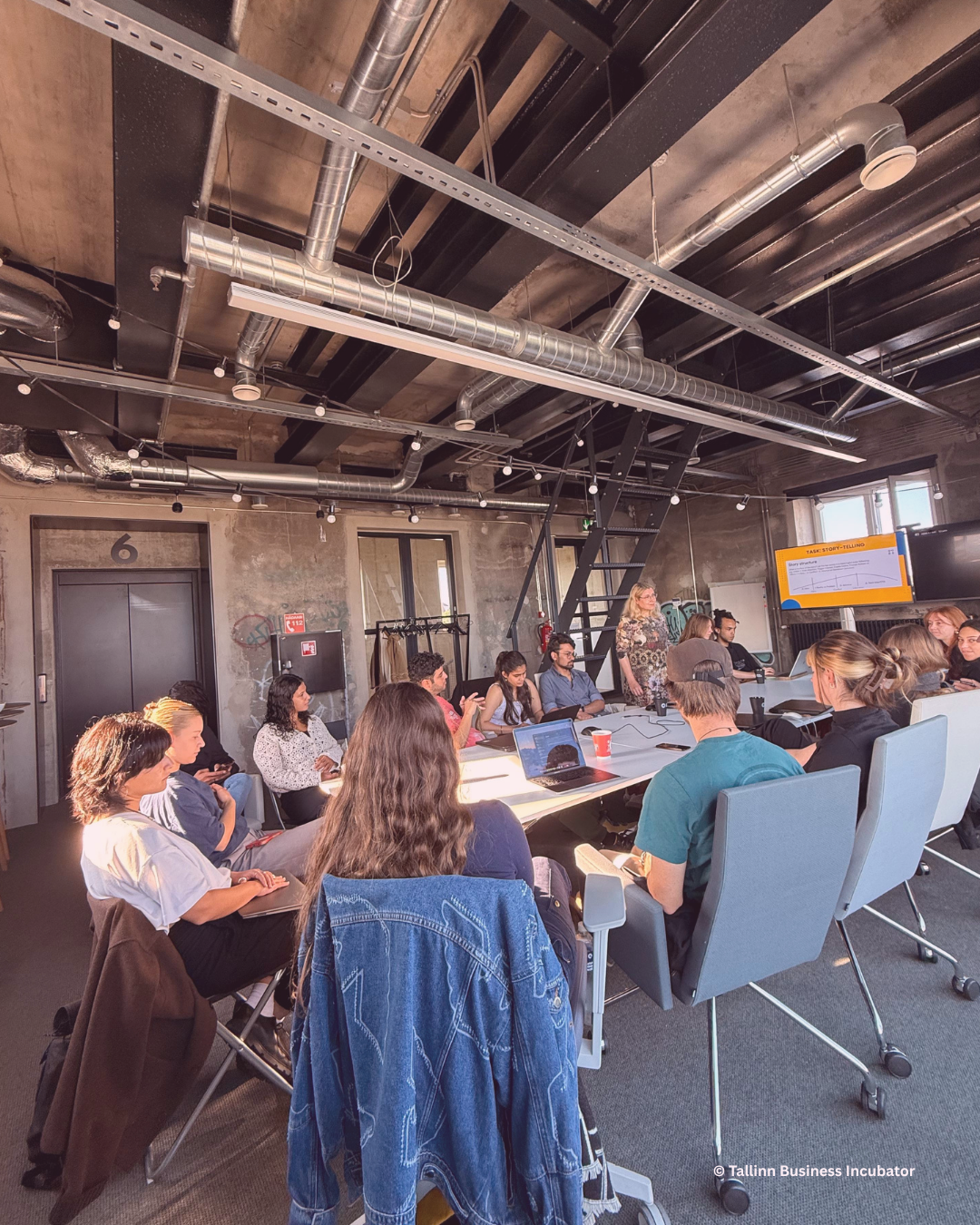
The accelerator programme followed a practice-oriented framework that combined structured training with hands-on, collaborative learning. Through workshops, mentoring, and sessions led by industry professionals, participants were exposed to real-world decision-making. These formats ensured a constant link between theory and practice, allowing teams to build and test their ideas against market realities and sustainability challenges.
At the heart of the programme was a learning-by-doing approach. Students used practical tools, such as business modelling frameworks, to structure their ideas, test assumptions, and visualize how their projects would create and deliver value. This was further enriched by site visits to local entrepreneurs, where participants heard first-hand stories of startup journeys, providing practical inspiration and a realistic view of the entrepreneurial path.
The methodology also leveraged transdisciplinary collaboration, bringing together students from different educational and professional backgrounds. This diversity encouraged peer-to-peer exchange, collective problem-solving and the integration of multiple perspectives. Team-based work was supported by mentoring meetings, where learners received tailored feedback from industry experts. These mentoring interactions served both as guidance mechanisms and as reflective spaces in which participantscritically assess their progress and adjust their strategies.
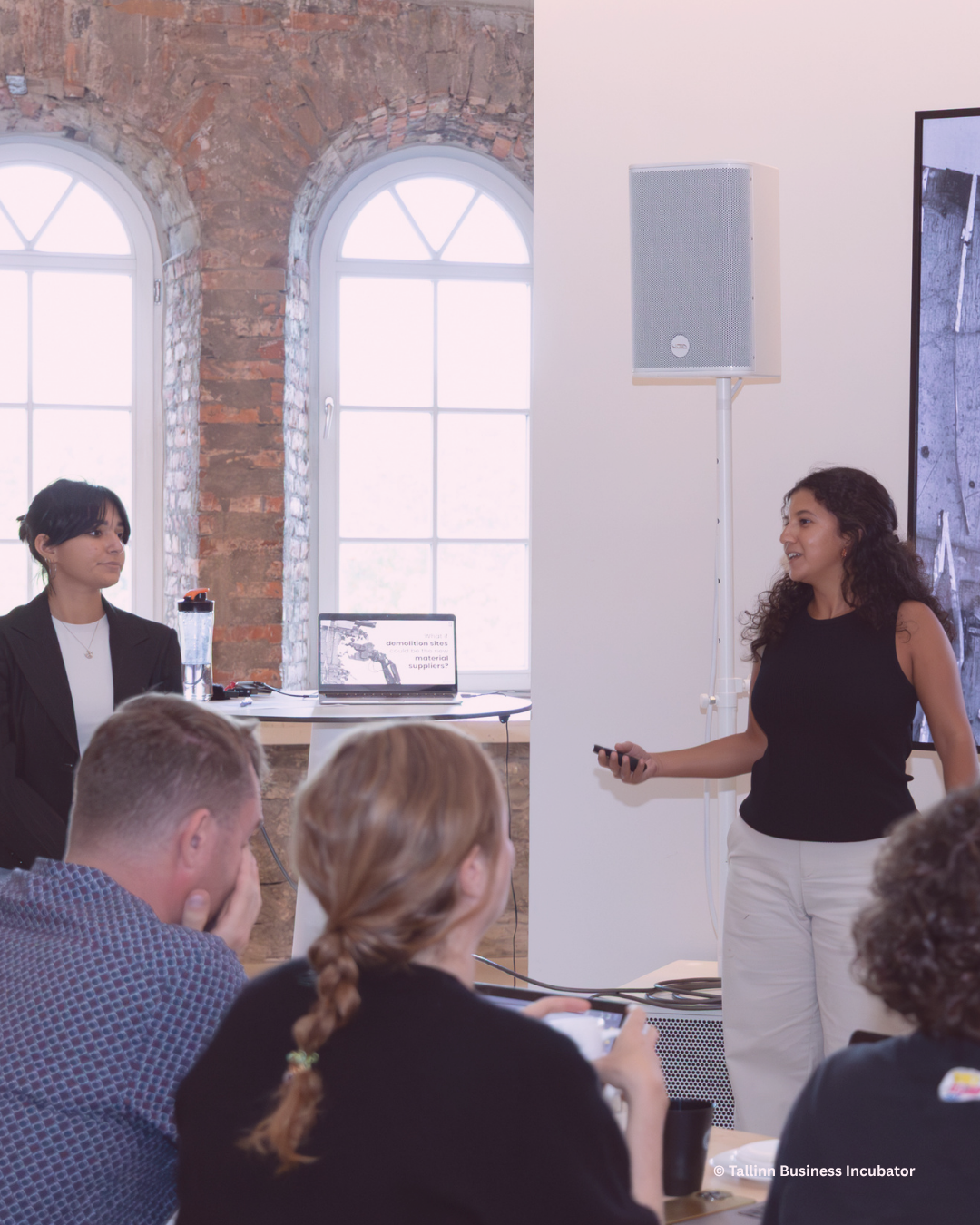
Finally, competitive elements such as pitching sessions were integrated into the methodology to simulate real entrepreneurial environments and decision- making pressures. Through iterative pitching exercises, learners developed the ability to communicate complex business ideas clearly and persuasively, while receiving feedback from peers, mentors and external stakeholders. These competitive formats did not function solely as evaluation tools, but as learning mechanisms that reinforced motivation, resilience and performance under real-world conditions.
By integrating these diverse formats and methodologies, the programme ensured a cohesive learning experience. This approach not only fostered innovation and the acquisition of entrepreneurial competences but also equipped participants with the tools for sustainable business development.